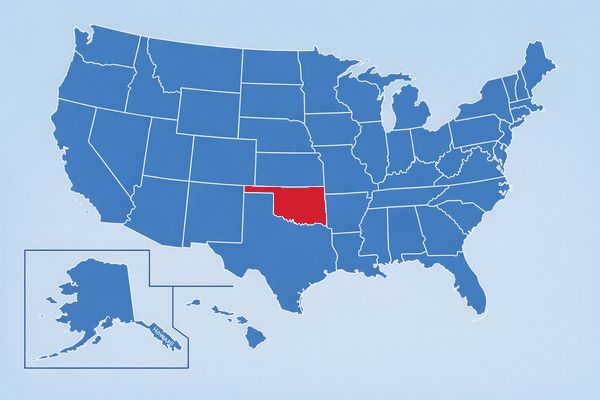
Kansas Overview
State Name: Kansas
Abbreviation: KS
Capital: Topeka
Largest City: Wichita
Statehood Date: January 29, 1861 (34th state)
Time Zone: Central Time (most of the state), Mountain Time (some western areas)
Nicknames: The Sunflower State
Motto: Ad astra per aspera (To the stars through difficulties)
Location & Geography of Kansas
Kansas is located in the central United States and is often considered the heart of the Great Plains. It borders Nebraska to the north, Missouri to the east, Oklahoma to the south, and Colorado to the west.
The state is known for wide open prairies, flat farmlands, rolling hills, and big skies. Much of Kansas is agricultural land, supporting farming and ranching.
Kansas has a continental climate with hot summers, cold winters, and strong seasonal weather changes. The state is also known for thunderstorms and tornado activity during certain parts of the year.
Major Cities & Regions of Kansas
Wichita: The largest city, known for aviation, manufacturing, and business growth.
Kansas City (Kansas side): Part of the Kansas City metro area, known for business and culture.
Topeka: The capital city, known for government and history.
Overland Park: A major suburban city with strong residential and corporate presence.
Lawrence: A university town known for education, culture, and lively community life.
Economy & Key Industries in Kansas
Kansas has a strong economy supported by agriculture, aviation, manufacturing, energy, transportation, and healthcare.
The state is a major producer of wheat, corn, cattle, and other agricultural products, making farming a foundation of its economy.
Wichita is known as one of the top aviation manufacturing hubs in the United States, producing aircraft and aerospace components.
Kansas also has growing industries in renewable energy, especially wind power generation across the plains.
Government & Administration of Kansas
Kansas has an elected Governor and a bicameral legislature consisting of the Kansas House of Representatives and Kansas Senate.
The state is divided into 105 counties, each providing local services and administration.
Education in Kansas
Kansas has major universities such as the University of Kansas, Kansas State University, and Wichita State University.
The state supports strong public education systems and higher education programs, especially in agriculture, engineering, and aviation studies.
Community colleges and technical training institutions also play an important role in workforce development.
Transportation & Connectivity in Kansas
Kansas is a major transportation corridor with key highways including I-70, I-35, and I-135 connecting the state across the Midwest.
Wichita Dwight D. Eisenhower National Airport is a key airport for passenger travel and aviation services.
Rail and trucking routes are important for moving agricultural products and manufactured goods across the country.
Tourism & Attractions in Kansas
Monument Rocks: A unique natural rock formation and scenic travel destination.
Tallgrass Prairie National Preserve: Known for prairie landscapes and outdoor hiking.
Dodge City: Famous for Old West history and cowboy culture.
Cosmosphere (Hutchinson): A well-known space museum and science attraction.
Kansas State Capitol (Topeka): A historic building and major visitor attraction.
Best Time to Visit
The best time to visit Kansas is during spring (April to June) and fall (September to October) when the weather is pleasant for travel and outdoor exploration.
Summer can be hot and humid, but it is also a great time for festivals and road trips across the state.
Winter can be cold and windy, especially in open prairie areas, but the state still offers cultural attractions and quiet travel experiences.
Culture & Lifestyle in Kansas
Kansas is known for its friendly small-town communities, Midwestern values, and strong farming traditions.
The state has a mix of rural life and growing suburban communities near Kansas City and Wichita.
Local culture includes county fairs, rodeos, barbecue food, and sports enthusiasm.
History & Important Facts of Kansas
Kansas became the 34th state in 1861 and has an important history tied to the Civil War era and westward expansion.
The state was a key region in the conflict over slavery before the Civil War, known as “Bleeding Kansas.”
Kansas also played a major role in the development of railroads, agriculture, and frontier towns in American history.
Cost of Living & Living Conditions in Kansas
Kansas is generally considered an affordable state with a lower cost of living compared to many parts of the United States.
Housing is reasonably priced in most areas, especially outside major metro regions.
Job opportunities are strong in agriculture, aviation, manufacturing, healthcare, and logistics.
Unique Highlights / Fun Facts about Kansas
1) Kansas is known as the “Sunflower State” and the sunflower is its official state flower.
2) Wichita is one of the major aviation manufacturing centers in the United States.
3) Kansas has some of the largest and most beautiful prairie landscapes in North America.
4) The state is strongly connected to Old West history and frontier culture.
5) Kansas is one of America’s top wheat-producing states.
Summary of Kansas
Kansas is a central Great Plains state known for wide open prairies, strong agriculture, aviation manufacturing, and friendly communities. With historic Old West attractions, scenic natural landscapes, and an affordable lifestyle, Kansas offers a peaceful and authentic Midwestern experience.