
Table of Contents
- About San Francisco
- Best Time to Visit San Francisco
- Getting to San Francisco
- Getting Around San Francisco
- Things to Do in San Francisco
- Neighborhoods to Explore
- Food in San Francisco
- Where to Stay in San Francisco
- Day Trips from San Francisco
- Safety Tips in San Francisco
- Budget & Costs in San Francisco
- Suggested Itineraries
About San Francisco
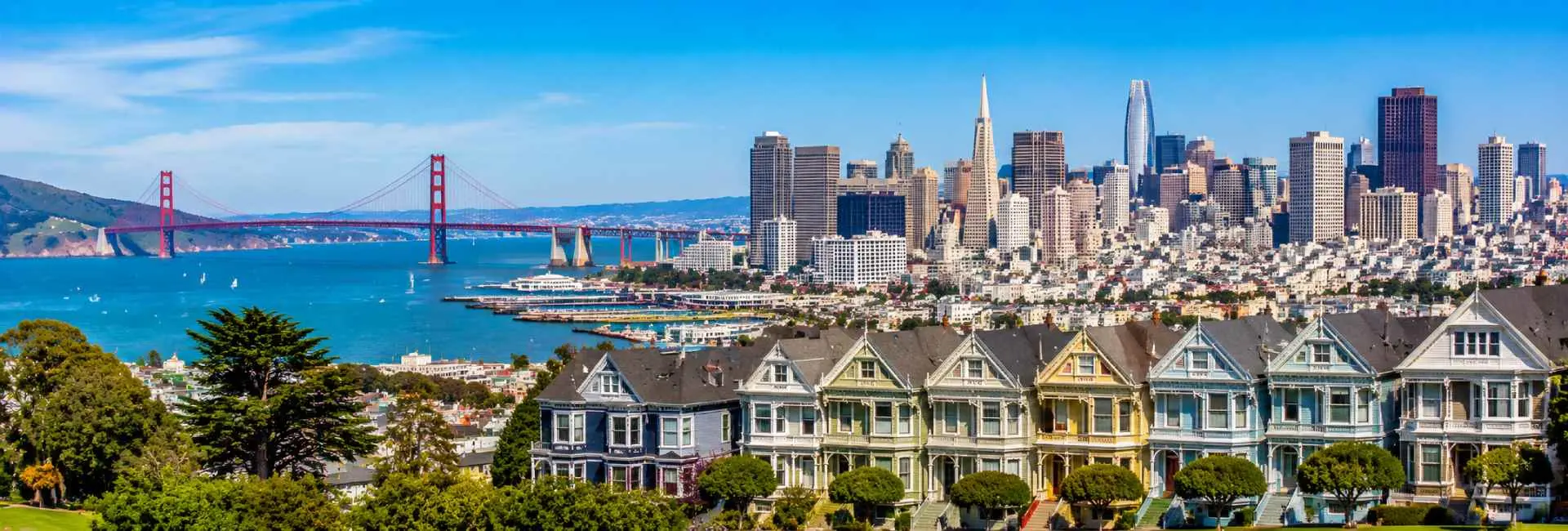
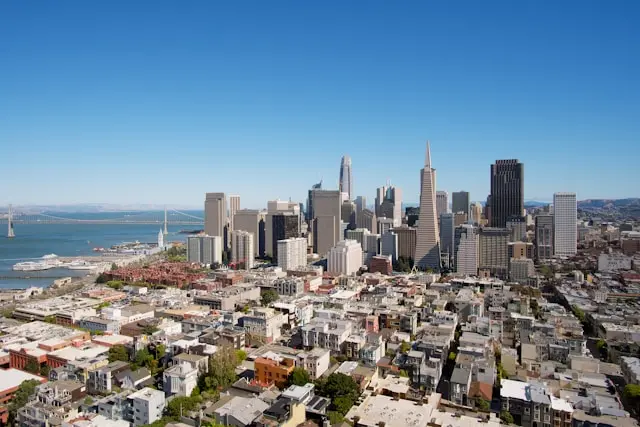
San Francisco occupies the tip of a narrow peninsula between the Pacific Ocean and San Francisco Bay, packed into just seven square miles of steep hills, dense fog, and dramatic views. Despite its small footprint, it holds an outsized cultural weight — from the countercultural history of Haight-Ashbury to the tech industry headquartered throughout the Bay Area today.
The city's character comes from its patchwork of tightly defined neighborhoods, each with a distinct feel, connected by cable cars, steep staircases, and a skyline framed by the Golden Gate Bridge. Its famously changeable weather — fog can roll in over a sunny afternoon within minutes — is as much a part of the local identity as any landmark.
Best Time to Visit San Francisco
San Francisco's weather doesn't follow typical seasonal patterns, and layering is essential no matter when you visit.
Spring (March–May)
Mild temperatures and blooming parks make spring a comfortable time to explore, though fog and light rain are both still possible.
Summer (June–August)
Counterintuitively, summer is often the foggiest and coolest season in the city itself, even while inland areas nearby are hot — pack layers regardless of the calendar.
Fall (September–November)
Many locals consider September and October the best months to visit, with the clearest skies and warmest temperatures of the year, sometimes called the city's "second summer."
Winter (December–February)
Winter brings the bulk of the region's rainfall along with cooler temperatures, but also thinner crowds and lower hotel rates.
Getting to San Francisco
By Air
San Francisco International Airport (SFO) is the main gateway, with extensive domestic and international connections. Oakland International Airport (OAK) and San Jose International Airport (SJC), both within driving distance, are often cheaper alternatives.
By Train
Amtrak's Capitol Corridor and California Zephyr routes connect to the Bay Area via the Emeryville station, with a connecting bus into San Francisco itself.
By Car
US-101 and I-80 are the main highways into the city, and the Golden Gate and Bay Bridges are iconic (and often congested) entry points. International visitors should confirm current visa or ESTA requirements before travel.
Getting Around San Francisco
Walking & Cable Cars
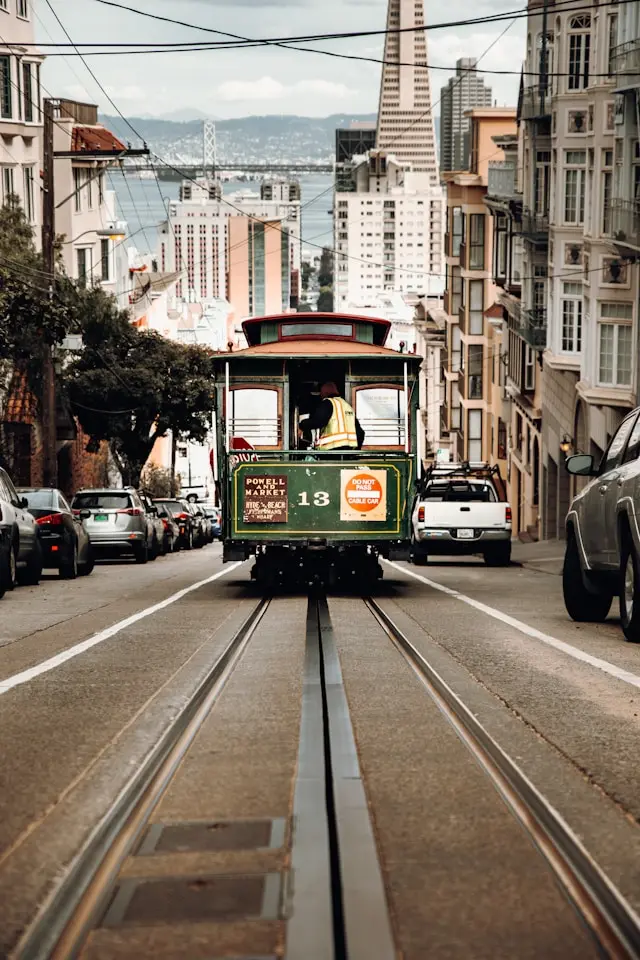
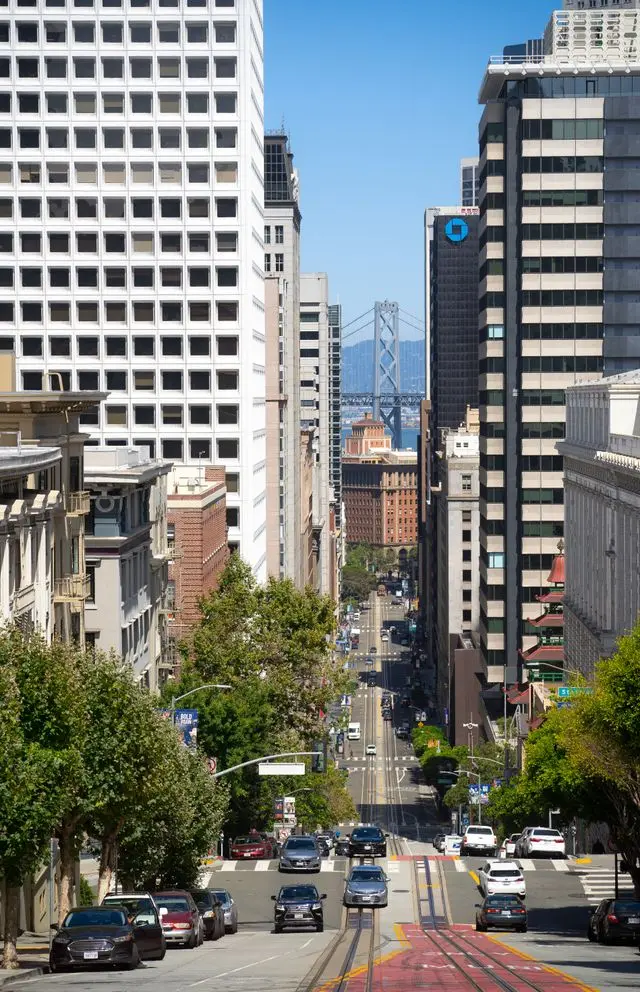
San Francisco's compact size makes it one of the most walkable major US cities, though the steep hills are a real workout. The historic cable car system, particularly the Powell-Hyde and Powell-Mason lines, doubles as both transportation and a genuine tourist attraction.
Muni & BART
The Muni system of buses, light rail, and streetcars covers most of the city, while BART connects San Francisco to Oakland, Berkeley, and the wider East Bay, plus a direct link to the airport.
Driving & Ride-Hailing
Parking is scarce and expensive throughout the city, and the steep hills and one-way streets make driving stressful for visitors — rideshare or public transit is usually a better choice within the city itself.
Things to Do in San Francisco
San Francisco's attractions are dense and mostly walkable or a short transit ride from one another.
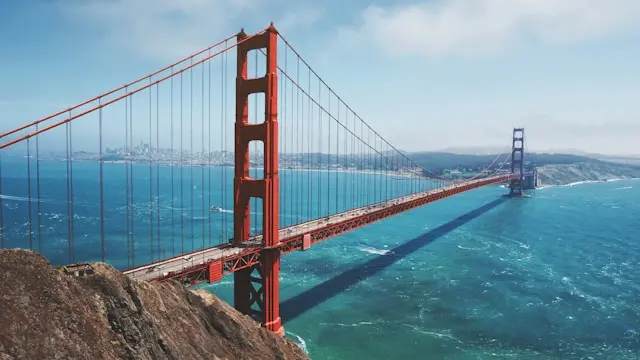
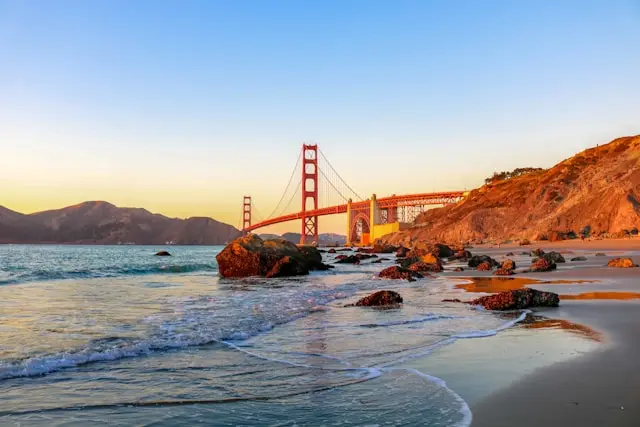
- Golden Gate Bridge – The city's defining landmark, best experienced by walking or biking across it, or viewing it from the Marin Headlands across the bay.
- Alcatraz Island – The former federal prison, reachable by ferry from Pier 33, offering an audio-guided tour of its cellblocks; tickets typically need booking well in advance.
- Golden Gate Park – A sprawling urban park larger than New York's Central Park, home to the de Young Museum, the California Academy of Sciences, and Japanese Tea Garden.
- Fisherman's Wharf & Pier 39 – A touristy but lively waterfront strip known for its resident sea lions, seafood stands, and bay views.
- Chinatown – One of the oldest and largest Chinatowns outside Asia, with dense alleys, dim sum spots, and the Golden Gate Fortune Cookie Factory.
- Painted Ladies (Alamo Square) – The row of Victorian houses with the downtown skyline behind them, one of the most photographed views in the city.
- Lombard Street – The famously crooked one-block stretch of switchbacks, best seen on foot to avoid the slow car queue.
Neighborhoods to Explore
San Francisco's neighborhoods are small, dense, and each has a strong sense of identity.
Mission District
Known for its Latino heritage, vibrant murals along Balmy and Clarion Alleys, and a concentrated strip of taquerias and bars along Valencia Street.
Haight-Ashbury
The birthplace of the 1967 Summer of Love, still lined with vintage shops, record stores, and Victorian houses bordering Golden Gate Park.
North Beach
The city's traditionally Italian neighborhood, home to City Lights Bookstore, old-school cafés, and easy access to Coit Tower.
Castro
The historic center of San Francisco's LGBTQ+ community, known for its rainbow crosswalks, the Castro Theatre, and a strong nightlife scene.
Nob Hill & Russian Hill
Steep, upscale hilltop neighborhoods with grand hotels, cable car lines, and some of the best skyline and bay views in the city.
Marina & Cow Hollow
A younger, more polished waterfront neighborhood popular for jogging along the Marina Green with Golden Gate Bridge views.
Food in San Francisco
San Francisco's food culture reflects its immigrant history and coastal setting, with a strong reputation for Chinese, Vietnamese, Mexican, and Italian cooking alongside its seafood scene. Fisherman's Wharf is known for Dungeness crab and clam chowder served in sourdough bread bowls, a city specialty tied to the sourdough starter culture unique to the Bay Area's natural yeast.
The Mission District is the place to go for Mission-style burritos and a dense concentration of taquerias, while Chinatown and the Richmond District both offer strong, less touristy Chinese food. San Francisco is also considered a birthplace of the modern American coffee culture, with roasters and cafés throughout the city worth seeking out beyond the well-known chains.
Where to Stay in San Francisco
- Union Square – Central and convenient for shopping and transit, though it can feel busy and touristy, with some surrounding blocks needing extra street awareness at night.
- Fisherman's Wharf – Good for families focused on Pier 39 and Alcatraz, though it's touristy and further from the Mission or Haight.
- Nob Hill – A quieter, more upscale option with cable car access and good central positioning.
- The Mission or Hayes Valley – Better for travelers who want a neighborhood feel with strong dining and nightlife, slightly outside the main tourist core.
Day Trips from San Francisco
- Napa & Sonoma Wine Country – About an hour north, offering vineyard tours and tastings across two of California's best-known wine regions.
- Muir Woods National Monument – A 30-to-45-minute drive across the Golden Gate Bridge to walk among old-growth coastal redwoods.
- Sausalito – A scenic bayside town just across the Golden Gate Bridge, reachable by ferry, car, or a long bike ride across the bridge itself.
- Half Moon Bay – About 45 minutes south along the coast, known for its beaches, pumpkin farms, and big-wave surfing at Mavericks.
- Berkeley & Oakland – A short BART ride across the bay, offering the UC Berkeley campus, Lake Merritt, and a strong independent food and arts scene.
Safety Tips in San Francisco
San Francisco is generally safe in the areas most visitors spend time, though a few practical precautions are worth knowing.
- Car break-ins targeting visible bags or valuables are common, particularly near tourist parking areas — never leave anything visible in a parked car.
- Some areas, including parts of the Tenderloin and sections of Mid-Market, have visible homelessness and open drug use; most visitors simply route around these blocks.
- Weather can shift quickly with fog and wind, so layers matter even on days that start sunny.
- The Bay Area is earthquake country; standard guidance during a quake is to drop, cover, and hold on rather than run outside.
- For emergencies, dial 911, the standard emergency number across the United States.
Budget & Costs in San Francisco
San Francisco is one of the more expensive US cities to visit, and costs are worth planning around in advance.
- Budget travelers can expect to spend roughly $130–180 per day on hostels or budget hotels, Muni and BART fares, and casual food like taquerias and food halls.
- Mid-range travelers should plan for around $300–400 per day for a comfortable hotel, occasional rideshares, and a mix of casual and sit-down dining.
- Luxury travelers can easily spend $500 or more per day at higher-end hotels, wine country tours, and fine dining.
- Parking, where available, is typically expensive — factor it into any daily budget if renting a car.
Suggested Itineraries
Day 1: Classic Landmarks
Start at Fisherman's Wharf and Pier 39, take a ferry to Alcatraz if booked in advance, then walk or bike across the Golden Gate Bridge in the late afternoon for sunset views.
Day 2: Neighborhoods & Parks
Spend the morning in the Mission exploring murals and grabbing a burrito, then head to Golden Gate Park in the afternoon for the de Young Museum or Japanese Tea Garden.
Day 3: Wine Country
Take a day trip north to Napa or Sonoma for vineyard tours and tastings, or substitute a quieter day in Muir Woods and Sausalito for a nature-focused alternative.
Frequently Asked Questions about San Francisco
How many days do you need in San Francisco? +
Three days covers the major landmarks and a couple of neighborhoods, while four or five allows time for a Wine Country or Muir Woods day trip as well.
What is the best time of year to visit San Francisco? +
September and October typically offer the clearest, warmest weather, while summer is often surprisingly foggy and cool despite being peak tourist season.
Is San Francisco expensive? +
Yes, it's one of the more expensive US cities for both hotels and dining, though public transit and casual neighborhood food can help manage costs.
Do you need a visa to visit San Francisco? +
Requirements depend on nationality; many travelers from visa-waiver countries can enter with an approved ESTA, while others need a standard US visitor visa, so it's worth checking current requirements before booking.
Is San Francisco safe for tourists? +
Most tourist areas are safe with normal precautions, though it's worth being aware of car break-ins and routing around a few specific blocks, particularly in the Tenderloin.
Do I need a car in San Francisco? +
Not for the city itself — it's compact and well served by Muni, BART, and walking, and parking is difficult enough that a car is more useful for day trips than city sightseeing.
What's the best area to stay in San Francisco? +
Union Square suits first-time visitors who want central access, while Nob Hill, Hayes Valley, or the Mission suit those who prefer a quieter or more local neighborhood feel.
What day trips pair well with a San Francisco visit? +
Napa and Sonoma Wine Country are the most popular add-ons, with Muir Woods and Sausalito offering a shorter, nature-focused alternative just across the Golden Gate Bridge.
Why is San Francisco so foggy? +
Cold ocean water offshore meets warmer inland air, condensing into the fog that regularly rolls over the city, especially in summer — it's a defining part of the local climate rather than an unusual event.