
Table of Contents
About Orlando
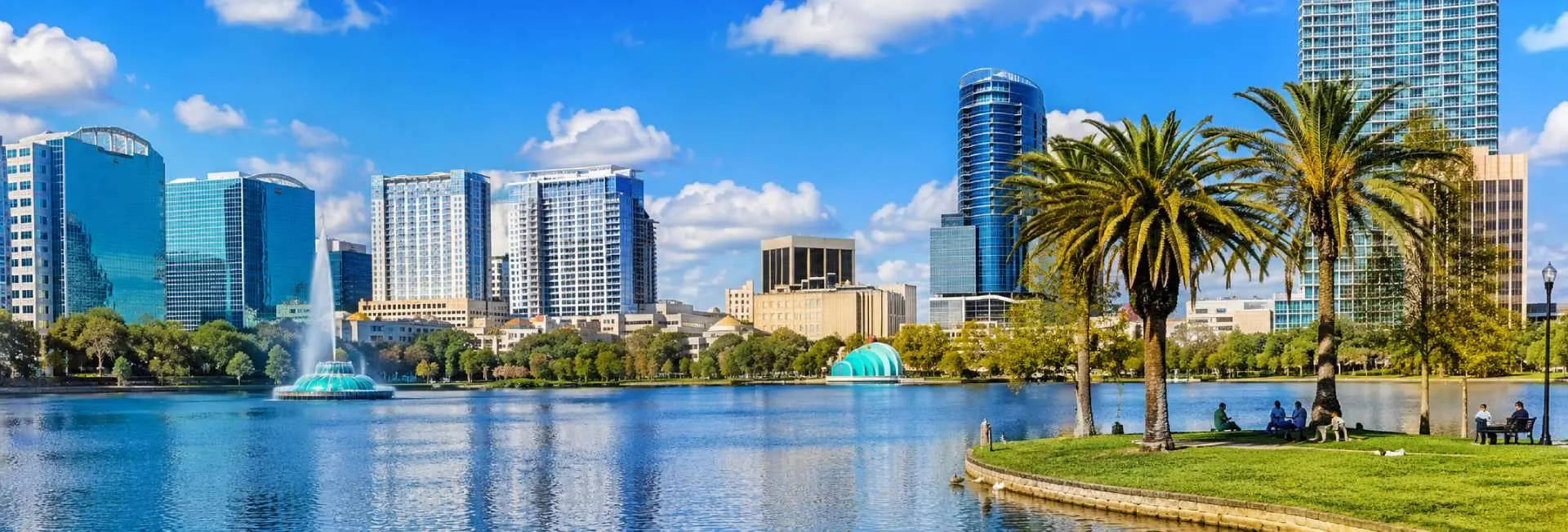
Orlando is a sprawling inland city in Central Florida best known as the "Theme Park Capital of the World," home to Walt Disney World, Universal Orlando, and SeaWorld. What started as a quiet citrus-farming town transformed almost overnight after Walt Disney World opened in 1971, and the city has been building around that identity ever since. But Orlando is more than its parks: downtown centers on Lake Eola, a small chain of freshwater lakes threads through leafy neighborhoods, and a genuine food and arts scene has grown up around the tourist corridors.
Visitors typically fall into two camps: those who never leave the resort bubble along International Drive and the Disney/Universal corridors, and those who venture into the city itself for Winter Park's museums, Mills 50's Vietnamese restaurants, or a paddleboard session on Lake Eola. Both experiences are valid, and many trips blend the two. With a subtropical climate, an airport built for tourism, and an economy almost entirely oriented around visitors, Orlando is one of the easiest big destinations in the U.S. to plan a trip to.
Climate & Best Time to Visit
Weather Overview
Orlando has a humid subtropical climate: hot, muggy summers and short, mild winters. Daytime highs run from the low 70s°F (low 20s°C) in January to the low 90s°F (low 30s°C) in July and August, and humidity is high for most of the year. Afternoon thunderstorms are a near-daily occurrence from June through September — Central Florida is one of the most lightning-prone regions in the U.S., so outdoor plans often shift around a predictable late-afternoon downpour.
Hurricane Season
Hurricane season runs June through November, peaking in August and September. Orlando is inland and less exposed than coastal Florida, but storms can still bring heavy rain, wind, and occasional park or flight disruptions. Travel insurance is worth considering if visiting during peak season.
Best Months to Visit
- January–March: Cooler, drier, and less crowded outside of spring break weeks — generally the best balance of weather and crowds.
- April–May: Warm and mostly dry before summer humidity sets in, though spring break and Easter week bring crowds.
- June–August: Hot, humid, and the busiest season for family travel due to school holidays; expect long park lines and daily storms.
- September–November: Fewer crowds and lower hotel rates, but overlaps with peak hurricane season.
- December: Festive theme park decorations and events, but Christmas week is one of the most crowded periods of the year.
Getting to Orlando
Orlando International Airport (MCO)
Orlando International Airport is one of the busiest airports in the U.S. and the main gateway for both domestic and international visitors, with direct flights from across North America, Europe, and Latin America. It sits about 20–25 minutes from International Drive and Walt Disney World, and closer still to the Lake Nona area.
Orlando Sanford International Airport (SFB)
A smaller secondary airport roughly 45 minutes northeast of the tourist corridor, used mainly by international charter and low-cost carriers, particularly from the UK and Ireland. It's worth checking if flying from Europe, since fares are sometimes lower than into MCO.
Driving and Other Options
Orlando sits at the crossroads of Interstate 4 (east–west) and the Florida Turnpike (north–south), making it an easy stop on a Florida road trip from Miami, Tampa, or the Space Coast. Amtrak serves the city via the Silver Star and Silver Meteor lines, and long-distance buses connect to major Florida and Southeastern cities.
Entry Requirements
International visitors from Visa Waiver Program countries can generally enter the U.S. with an approved ESTA in place of a visa for short tourist stays; travelers from other countries need a valid U.S. visitor visa. Requirements change, so confirm current rules with the U.S. Department of State or a local embassy before booking.
Transportation in Orlando
Rental Car
Orlando is a spread-out, car-oriented city, and a rental car is the most practical way to move between distant attractions, off-the-beaten-path restaurants, and day-trip destinations. Traffic on International Drive and near the parks can be heavy, especially at park opening and closing times.
LYNX Buses
LYNX is the regional public bus network, with routes connecting downtown, the airport, International Drive, and outlying neighborhoods. It's affordable but not fast — useful for budget travelers with flexible schedules rather than anyone trying to pack in a lot in one day.
I-Ride Trolley
The I-Ride Trolley runs the length of International Drive, linking ICON Park, outlet malls, and I-Drive hotels. It's a cheap, tourist-friendly option if staying along that corridor and not venturing far beyond it.
SunRail
SunRail is Central Florida's commuter rail line, running roughly 49 miles between DeBary and Poinciana with stops in downtown Orlando and Winter Park. It operates Monday through Friday only, geared toward commuters rather than tourists, but it's a useful, low-cost way to reach downtown or Winter Park without driving.
Rideshare and Resort Shuttles
Uber and Lyft are widely available and often the easiest way to get between the airport, hotels, and parks without renting a car. Many hotels near Disney and Universal also run free shuttle buses to the parks, which can eliminate the need for a rental altogether if staying entirely within one resort area.
Things to Do in Orlando
Walt Disney World
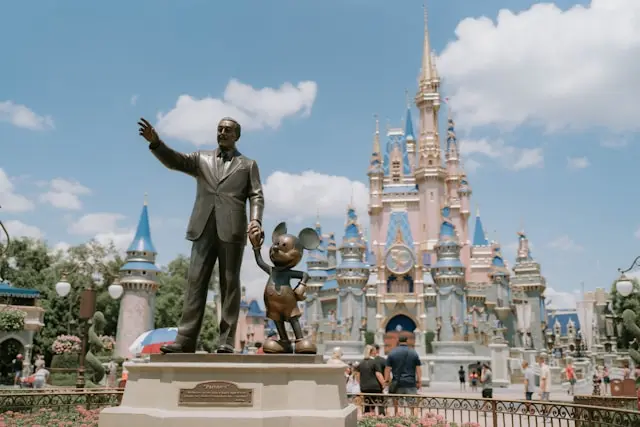
Walt Disney World is a sprawling four-park resort — Magic Kingdom, EPCOT, Hollywood Studios, and Animal Kingdom — plus two water parks and an entertainment district, Disney Springs. Each park has its own personality, from Magic Kingdom's classic castle-and-fireworks experience to EPCOT's World Showcase of international pavilions.
Universal Orlando Resort
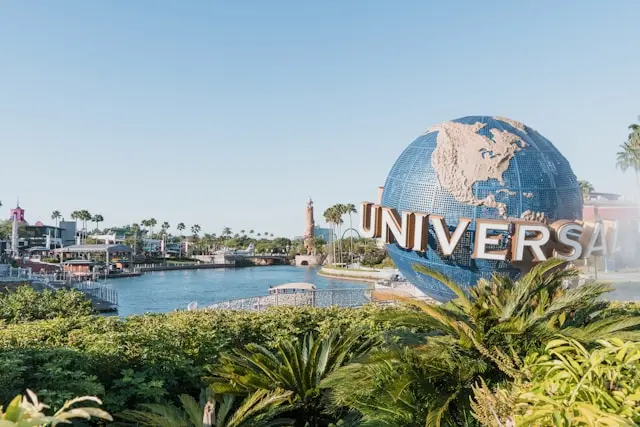
Universal's parks lean into thrill rides and immersive franchise lands, including The Wizarding World of Harry Potter, split across Universal Studios and Islands of Adventure. Epic Universe, Universal's newest park, added a fourth gate with additional themed lands and expanded the resort considerably.
SeaWorld and Aquatica
SeaWorld Orlando combines marine-life exhibits with roller coasters, while its sister water park, Aquatica, offers a lower-key alternative to the Disney and Universal water parks.
ICON Park and International Drive
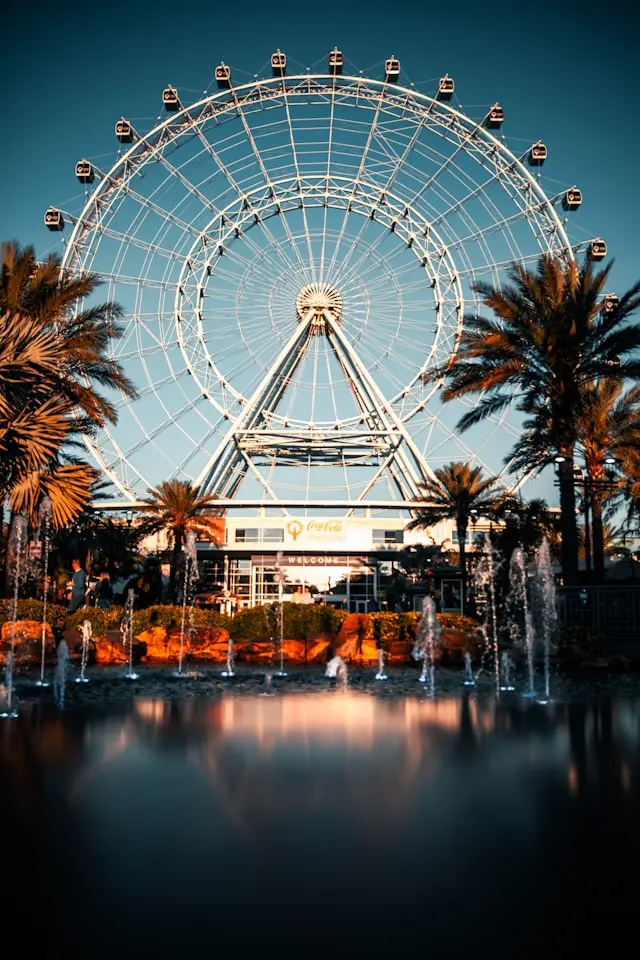
ICON Park anchors the I-Drive tourist corridor with The Wheel observation wheel, an aquarium, mini golf, and dining, all walkable without a car once on-site.
Beyond the Parks
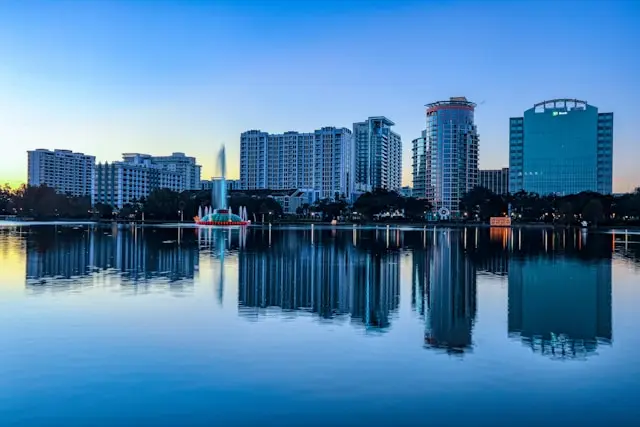
Lake Eola Park in downtown Orlando is a popular spot for swan-boat rides and a lakeside walking loop. Gatorland offers an old-school, lower-cost look at Florida wildlife. The Orlando Museum of Art and the Orlando Science Center appeal to visitors looking for a break from the parks.
Neighborhoods to Explore
- Downtown Orlando: The city's civic and business core around Lake Eola, with restaurants, nightlife, and the Dr. Phillips Center for the Performing Arts.
- Winter Park: An upscale, walkable enclave north of downtown, known for Park Avenue's boutiques and cafes, the Charles Hosmer Morse Museum of American Art, and scenic boat tours through its chain of lakes.
- Thornton Park: A small, leafy district just east of Lake Eola with a concentration of independent restaurants and bars, popular with locals.
- Mills 50: Orlando's Vietnamese and pan-Asian food district, centered on Mills Avenue and Colonial Drive, with some of the city's best pho, banh mi, and Asian markets.
- The Milk District: A small, artsy pocket near downtown built around a former dairy, now home to breweries, coffee shops, and murals.
- International Drive (I-Drive): The main tourist corridor, lined with hotels, outlet malls, dinner-show attractions, and ICON Park — convenient but built entirely around visitors rather than local life.
- Dr. Phillips: Home to "Restaurant Row" along Sand Lake Road, a stretch of upscale dining favored by locals and visitors staying near the parks.
Food in Orlando
Local and Regional Flavors
Orlando's food scene reflects Florida's Latin and Southern influences alongside its role as an international tourist hub. Cuban sandwiches, arepas, and other Latin American dishes are widely available thanks to a large Puerto Rican and broader Hispanic community, while Southern staples like fried chicken and biscuits show up on menus across the city.
Where Locals Eat
Mills 50 is the city's most concentrated food district, packed with Vietnamese pho shops, Korean barbecue, and Asian grocery stores. Sand Lake Road's "Restaurant Row" in Dr. Phillips draws a more upscale, date-night crowd, while Thornton Park and the Milk District offer a more casual, neighborhood feel with breweries and brunch spots.
Theme Park Dining
Both Disney and Universal treat dining as part of the attraction, from EPCOT's World Showcase — where each country pavilion serves its own regional cuisine — to themed restaurants tied to specific franchises. Reservations for popular theme park restaurants often need to be booked weeks in advance.
Accommodation in Orlando
On-Property Resort Hotels
Staying at a Disney or Universal resort hotel comes at a premium but includes perks like early park entry, free shuttle transportation, and, in Universal's case, front-of-line access at select hotels. This is the easiest option for visitors focused entirely on one resort's parks.
International Drive
I-Drive has the highest concentration of independent and chain hotels at every price point, close to both Universal and (via shuttle or short drive) Disney, plus easy access to ICON Park and outlet shopping.
Lake Buena Vista and Kissimmee
These areas south and southwest of Disney offer a wide range of budget-friendly hotels and vacation home rentals, often with free shuttles to the parks, making them popular with families and larger groups.
Downtown and Winter Park
Staying downtown or in Winter Park suits visitors who want a break from the tourist corridor and easier access to local restaurants, museums, and nightlife — though it adds 30–45 minutes of driving to reach most theme parks.
Day Trips from Orlando
- Kennedy Space Center: About an hour east near Cape Canaveral, with rocket exhibits, astronaut encounters, and occasional live launch viewings.
- Cocoa Beach: A laid-back Atlantic coast beach town roughly an hour east, popular for surfing and a change of pace from theme parks.
- LEGOLAND Florida: About 45 minutes southwest in Winter Haven, a family-friendly theme park built around LEGO models and rides.
- Bok Tower Gardens: A quiet botanical garden and historic bell tower near Lake Wales, about an hour south, popular for a slower-paced nature outing.
- Winter Park Scenic Boat Tour: A short trip from downtown Orlando through Winter Park's connected lakes and canals, lined with historic homes.
Safety Tips in Orlando
General Safety
Orlando's tourist areas — the theme parks, International Drive, and downtown's main districts — are generally safe and heavily patrolled. As in any major destination, keep an eye on personal belongings in crowded areas like park entrances, parking lots, and outlet malls, where opportunistic theft is the most common issue.
Heat and Sun
Florida's heat and humidity are a bigger practical risk than crime for most visitors, especially during long days at the theme parks. Stay hydrated, use sunscreen, and plan for a midday break during summer visits.
Weather-Related Risks
Afternoon thunderstorms bring frequent lightning, and parks will pause outdoor rides and attractions during storms — treat posted lightning warnings seriously. During hurricane season, monitor official advisories if a storm is forecast to affect Central Florida.
Emergency Numbers
Dial 911 for police, fire, or medical emergencies anywhere in the U.S., including Orlando.
Budget & Costs in Orlando
Theme Park Costs
Theme park tickets are the biggest line item for most Orlando trips, with single-day, single-park tickets commonly running well over $100 per person and multi-day, multi-park passes adding up quickly for families. Booking tickets in advance and considering multi-day passes usually brings the per-day cost down.
Accommodation
Costs vary enormously by area and season: budget motels and vacation home rentals in Kissimmee can run well under on-property resort rates, while Disney and Universal resort hotels sit at the premium end. Prices spike around school holidays and major U.S. holidays.
Food and Extras
Theme park dining is priced at a premium compared to restaurants elsewhere in the city, so mixing in meals in Mills 50, Thornton Park, or Sand Lake Road can meaningfully reduce a trip's food budget. Parking, resort fees, and Genie+/Lightning Lane-style skip-the-line add-ons are common extra costs worth budgeting for separately from the ticket price.
Saving Money
- Visit during shoulder season (January–March or September–November) for lower hotel rates.
- Book theme park tickets and dining reservations well in advance.
- Stay off-property and use rideshare or a rental car instead of resort hotel rates.
- Balance theme park days with lower-cost activities like Lake Eola, Winter Park, or a beach day.
Suggested Itineraries
3 Days: Theme Park Focused
Day one at Magic Kingdom, day two split between Universal Studios and Islands of Adventure (or a full day at Epic Universe), and day three at EPCOT or Animal Kingdom, with an evening at Disney Springs or CityWalk.
5 Days: Parks Plus the City
Spend the first three days across Disney and Universal, then use day four for Winter Park's museums, Park Avenue shopping, and a boat tour, and day five for ICON Park, Gatorland, or a day trip to Kennedy Space Center or Cocoa Beach.
Weekend: No Parks
For visitors skipping the theme parks entirely, a weekend can cover downtown Orlando and Lake Eola, Winter Park's museums and lakes, dinner in Mills 50 or on Restaurant Row, and a day trip to Cocoa Beach or Bok Tower Gardens.
Frequently Asked Questions about Orlando
How many days do you need in Orlando? +
Three to four days is enough to hit one major resort (Disney or Universal) at a comfortable pace, while five to seven days gives room to cover both plus a day trip or two beyond the parks.
What is the best time of year to visit Orlando? +
January through March and September through November tend to offer the best mix of milder weather and smaller crowds, while summer and the December holidays are busiest and most humid.
Is Orlando expensive? +
It can be, largely due to theme park tickets, on-property hotels, and park dining; costs drop significantly by booking tickets early, staying off-property, and mixing in local restaurants instead of eating in the parks every day.
Do I need a visa to visit Orlando? +
Visitors from Visa Waiver Program countries can typically enter with an approved ESTA instead of a visa for short stays, while other travelers need a U.S. visitor visa; check current requirements with the U.S. Department of State before booking, since rules can change.
Is Orlando safe for tourists? +
Yes, the main tourist areas are generally safe and well-patrolled; the more common risks are heat, sun exposure, and afternoon thunderstorms rather than crime.
How do you get around Orlando without a car? +
Rideshare services, resort shuttles from Disney and Universal hotels, the I-Ride Trolley on International Drive, and LYNX buses all work without a rental car, though a car gives the most flexibility for exploring beyond one resort area.
Is Orlando good for families with young kids? +
Yes — Magic Kingdom, SeaWorld, and LEGOLAND are all geared toward younger children, and most hotels and resorts are set up for families, though summer heat and long lines are worth planning around with toddlers.
What's the best area to stay in for theme parks? +
International Drive offers a central, budget-friendly base near both Universal and (with a short drive) Disney, while on-property resort hotels are the most convenient if focusing on a single park system.
Can you combine Orlando with a beach trip? +
Yes — Cocoa Beach is about an hour east and makes an easy add-on day trip or a relaxed final day after several days at the parks.
What do first-time visitors often not realize about Orlando? +
That the city is much bigger and more spread out than its theme park reputation suggests, with a genuine local food and arts scene in neighborhoods like Winter Park, Mills 50, and downtown that's easy to miss if never leaving the resort corridors.