
Table of Contents
- About New York City
- Climate in New York City
- Getting to New York City
- Transportation in New York City
- Things to Do in New York City
- Neighborhoods to Explore
- Food in New York City
- Accommodation in New York City
- Day Trips from New York City
- Safety Tips in New York City
- Budget & Costs in New York City
- Local Customs & Etiquette
- Suggested Itineraries
About New York City
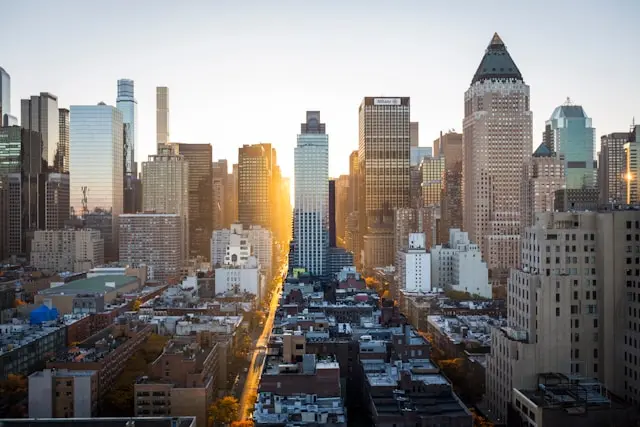
New York City is the largest city in the United States, spread across five boroughs — Manhattan, Brooklyn, Queens, the Bronx, and Staten Island — that together hold more than 8 million residents and a population density found almost nowhere else in the country. It's a city built for walking and looking up: glass towers in Midtown give way to brownstone blocks in Brooklyn, and a five-minute walk can carry you from a Michelin-starred dining room to a decades-old dumpling counter.
What draws most first-time visitors is the sheer concentration of things to see — the Statue of Liberty, Times Square, Central Park, the Empire State Building, and dozens of world-class museums all sit within a compact, subway-connected footprint. But the city rewards slower exploration just as much: wandering a Brooklyn flea market, catching a jazz set in the Village, or people-watching from a stoop is as core to the New York experience as any single landmark.
New York moves fast and it's loud, dense, and occasionally overwhelming, but it's also remarkably easy to navigate once you understand the grid system in Manhattan and the subway map that ties the boroughs together. Most visitors find that a few days is enough to hit the highlights, while a week or more starts to reveal the city neighborhood by neighborhood.
Climate in New York City
Spring (March–May)
Spring is mild and increasingly popular with visitors, especially in April and May when cherry blossoms bloom in Brooklyn Botanic Garden and Central Park. Temperatures typically range from the mid-40s to mid-60s Fahrenheit (7–18°C), though early March can still feel wintry. Pack layers and a light rain jacket, since spring showers are common.
Summer (June–August)
Summers are hot and humid, with average highs in the mid-80s Fahrenheit (around 29°C) and frequent stretches above 90°F (32°C) in July and August. Sidewalks and subway platforms can feel especially sweltering, so light, breathable clothing and a refillable water bottle go a long way. Summer is also when the city's outdoor life — rooftop bars, street festivals, and free park concerts — is at its peak.
Fall (September–November)
Many locals consider fall the best season to visit: crisp air, foliage in the parks, and comfortable walking weather with highs generally in the 55–70°F (13–21°C) range. September and early October still carry some summer warmth, while November turns noticeably colder.
Winter (December–February)
Winters are cold, with average highs around freezing (32–40°F / 0–4°C) and periodic snowstorms that can disrupt transit for a day or two. The upside is a festive atmosphere around the holidays, ice skating rinks, and thinner crowds at major attractions. Pack a heavy coat, waterproof boots, and warm layers if visiting between December and February.
Getting to New York City
By Air
New York is served by three major airports: John F. Kennedy International Airport (JFK) and LaGuardia Airport (LGA) in Queens, and Newark Liberty International Airport (EWR) in New Jersey. JFK handles most long-haul international flights, LaGuardia is geared toward domestic routes, and Newark serves a mix of both. All three connect to Manhattan by taxi, rideshare, or public transit, with the AirTrain linking JFK and Newark to the subway and NJ Transit/Amtrak networks respectively.
By Train
Amtrak trains arrive at Penn Station in Midtown Manhattan, with frequent Northeast Corridor service from Boston, Philadelphia, and Washington, D.C. The Acela high-speed service cuts travel time from those cities significantly compared to regional trains.
By Bus
Intercity buses, including budget carriers, typically arrive at the Port Authority Bus Terminal in Midtown or at curbside stops in the city, making bus travel one of the cheapest ways to reach New York from nearby cities like Boston, Philadelphia, and Washington, D.C.
Entry Requirements
International visitors from Visa Waiver Program countries need a valid ESTA authorization before flying to the U.S.; travelers from other countries generally need a visitor visa. Requirements can change, so check current entry rules with the U.S. Department of State or your nearest U.S. embassy before booking.
Transportation in New York City
Subway
The New York City subway runs 24 hours a day and is the fastest way to cover long distances across boroughs. Fares are paid with OMNY — tapping a contactless credit or debit card, smartphone, or an OMNY card directly at the turnstile — or with a physical OMNY card purchased at station vending machines. A single ride costs a flat fare regardless of distance, and unlimited rides are automatically capped at a set weekly maximum once you've paid for enough trips within a seven-day period, so there's no need to buy a separate weekly pass.
Buses
Local buses use the same fare and tap-to-pay system as the subway and are useful for crosstown trips or areas the subway doesn't reach directly, though they move slower in traffic.
Taxis & Rideshare
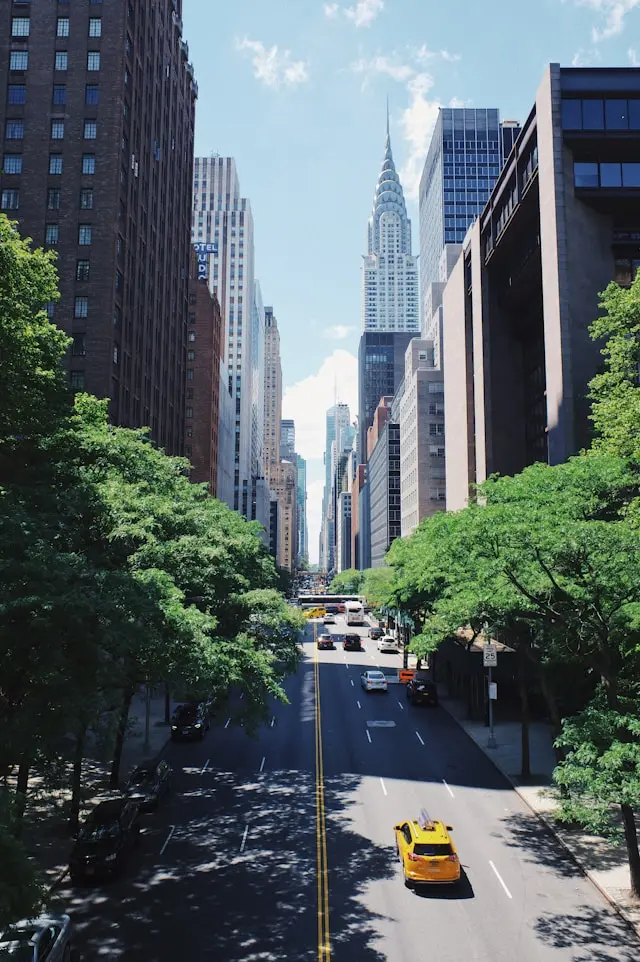
Yellow cabs can be hailed on the street throughout Manhattan and are metered; rideshare apps operate citywide and are often the easier option in the outer boroughs late at night. Fares climb quickly during peak hours and surge pricing periods.
Walking & Citi Bike
Manhattan's grid layout makes walking a genuinely practical way to get around, especially between nearby neighborhoods. Citi Bike, the city's bike-share system, has docking stations throughout Manhattan and much of Brooklyn and Queens, with single rides and day passes available through the app.
Ferries
The NYC Ferry connects waterfront neighborhoods in Manhattan, Brooklyn, Queens, and the Bronx at the standard subway/bus fare, and the free Staten Island Ferry offers one of the best skyline and Statue of Liberty views in the city at no cost.
Things to Do in New York City
Iconic Landmarks
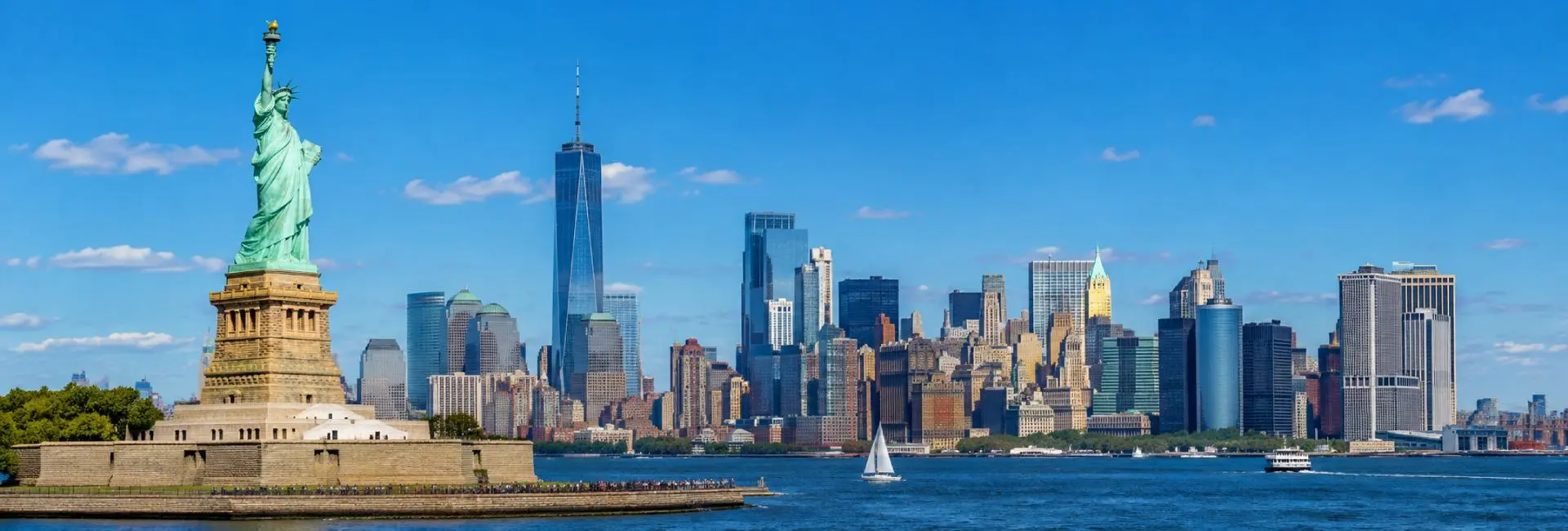
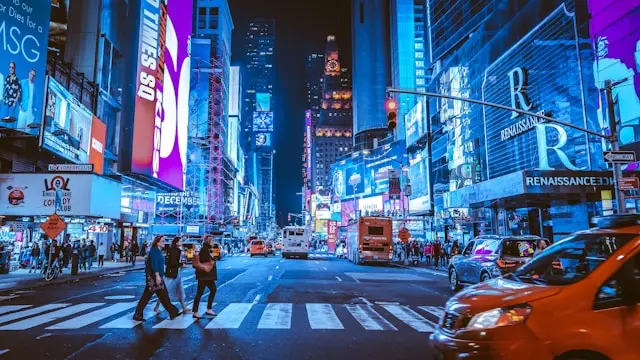
The Statue of Liberty and Ellis Island, reachable by ferry from Battery Park, remain the city's most recognizable symbols and are best booked in advance to avoid long lines. The Empire State Building and the observation decks at Top of the Rock and One World Trade Center each offer a different angle on the skyline, while Times Square delivers the sensory-overload version of New York, day or night.
Museums & Culture
The Metropolitan Museum of Art, the Museum of Modern Art (MoMA), and the American Museum of Natural History anchor the city's museum scene, each large enough to warrant a half-day or more. The Whitney Museum and the Guggenheim add strong contemporary and modern art collections, while the 9/11 Memorial & Museum offers a somber, essential stop downtown.
Parks & Outdoors
Central Park's 843 acres hold everything from the Bethesda Terrace and Bow Bridge to the Central Park Zoo and Great Lawn, and it's easily explored on foot or by rented bike. The High Line, a park built on a former elevated rail line, threads through Chelsea and the Meatpacking District with skyline views along the way.
Broadway & Entertainment
Broadway's Theater District stages everything from long-running musicals to new plays, and same-day discount tickets are available at TKTS booths in Times Square and Lincoln Center. For live music, venues ranging from small Village jazz clubs to Madison Square Garden cover every scale and genre.
Neighborhoods to Explore
Manhattan
Midtown holds the skyscrapers, Times Square, and Broadway theaters, and is the natural base for first-time visitors despite higher hotel prices. Greenwich Village and the East Village offer a lower-rise, café-and-bookstore version of Manhattan with a strong nightlife and live-music scene. SoHo and NoHo are known for cast-iron architecture and flagship shopping, while the Upper West Side and Upper East Side, flanking Central Park, are quieter, residential, and close to the city's biggest museums.
Brooklyn
Williamsburg is the borough's most visited neighborhood, known for its waterfront views, vintage shops, and food halls. DUMBO, just across the Manhattan Bridge, offers postcard views of the bridge and skyline along with cobblestone streets. Park Slope and Brooklyn Heights are leafier, brownstone-lined neighborhoods good for a slower afternoon walk.
Queens
Astoria is known for its Greek and broader Mediterranean food scene and a younger, laid-back crowd, while Long Island City has grown into a waterfront arts hub with striking Manhattan skyline views and its own museum scene, including MoMA PS1.
Food in New York City
Classic New York Dishes
A New York-style slice — thin, foldable, and sold by the slice at corner pizzerias — is close to a civic institution, and a bagel with lox and cream cheese from a classic Jewish deli is another essential order. Pastrami on rye from an old-school deli, a hot dog from a street cart, and a black-and-white cookie round out the list of dishes worth trying at least once.
Food Neighborhoods
Flushing in Queens has one of the country's best concentrations of regional Chinese food, from hand-pulled noodles to Sichuan hot pot. Jackson Heights, also in Queens, is known for South Asian and Latin American food side by side on the same blocks. In Manhattan, the Lower East Side and East Village mix long-running delis with newer, chef-driven restaurants, while Chelsea Market offers a one-stop food hall covering multiple cuisines under one roof.
Dining Customs
Tipping 18–20% at sit-down restaurants is standard and generally expected rather than optional; many receipts print suggested tip amounts to make the math easy. Reservations are recommended for popular restaurants, especially on weekends, and some in-demand spots release tables weeks in advance through online booking platforms.
Accommodation in New York City
Midtown Manhattan
Staying in Midtown puts you within walking distance of Times Square, Broadway, and many major landmarks, which is convenient for a first visit but comes with the city's highest hotel rates and the most tourist-heavy streets.
Downtown & Lower Manhattan
The Financial District and nearby areas offer a quieter evening atmosphere and easy access to the Statue of Liberty ferries and 9/11 Memorial, with prices generally a step below Midtown.
Brooklyn
Neighborhoods like Williamsburg and Downtown Brooklyn have a growing supply of boutique and mid-range hotels, often at lower prices than comparable Manhattan options, with a short subway ride into the city center.
Price Tiers
Budget travelers can find hostels and no-frills hotels in outer-borough locations or less central Manhattan blocks, while mid-range hotels cluster around Midtown and Downtown, and luxury properties concentrate near Central Park, Fifth Avenue, and the Financial District. Prices swing significantly by season, with major holidays, New Year's Eve, and the fall convention season pushing rates highest.
Day Trips from New York City
Hudson Valley
An hour or two north by train or car, the Hudson Valley offers historic estates, hiking trails, and small river towns like Beacon and Cold Spring, popular especially in fall for foliage.
The Hamptons & Long Island
The Long Island Rail Road runs directly from Manhattan to the beach towns of Long Island's North and South Shores, including the Hamptons, a popular summer escape known for beaches and a higher-end dining and shopping scene.
Philadelphia
Roughly 90 minutes away by Amtrak, Philadelphia makes an easy day trip for its Revolutionary War history, Reading Terminal Market, and its own distinct food scene.

Safety Tips in New York City
New York City is generally safe for visitors who stick to well-populated areas and use ordinary city precautions, but like any major destination, it has its share of tourist-targeted scams and petty crime worth knowing about.
- Keep bags zipped and in front of you on crowded subway cars and in tourist-heavy areas like Times Square.
- Be wary of street vendors offering "free" bracelets, CDs, or comedy show tickets that come with an aggressive request for payment afterward.
- Only take licensed yellow cabs or verified rideshare vehicles; avoid unmarked cars offering rides at airports or outside bars.
- Stay alert on subway platforms, especially late at night, and avoid standing too close to the platform edge.
- Dial 911 for police, fire, or medical emergencies; for non-emergency police matters, dial 311.
- Keep valuables out of sight in restaurants and cafés rather than leaving a phone or bag unattended on a table.
Budget & Costs in New York City
Budget Travelers
Staying in hostels or budget hotels, eating at pizzerias and food carts, and relying on the subway can bring daily costs down considerably, though New York is rarely a truly cheap destination by U.S. standards.
Mid-Range Travelers
A mid-range trip typically covers a comfortable hotel, a mix of casual and sit-down restaurant meals, museum entry, and a Broadway show or two, with transit costs kept low thanks to the subway's weekly fare cap.
Money-Saving Tips
- Many major museums, including the Met, offer pay-what-you-wish or discounted admission on certain days or times.
- The Staten Island Ferry is free and offers Statue of Liberty and skyline views without the cost of a dedicated cruise.
- The subway's automatic weekly fare cap means frequent riders never pay more than a set maximum, even without buying an unlimited pass upfront.
- TKTS booths sell same-day Broadway tickets at a discount compared to full price.
Local Customs & Etiquette
New Yorkers walk fast and expect others to keep pace, especially on sidewalks and subway platforms — standing still in the middle of foot traffic to check a map is a quick way to draw an annoyed look. On escalators and subway stairs, it's customary to stand to the right and let people pass on the left.
Tipping is expected at restaurants (18–20%), for taxi and rideshare drivers (around 15–20%), and for hotel staff such as bellhops and housekeeping (a few dollars per service). On the subway, it's customary to let passengers exit a train before boarding, and offering a seat to elderly or pregnant passengers is a common courtesy.
New York's population reflects an enormous range of languages, religions, and cultural backgrounds, and the city's directness — brief small talk, quick transactions, minimal chit-chat with strangers — is a cultural norm rather than rudeness.
Suggested Itineraries
3 Days in New York City
Day one: start in Lower Manhattan with the Statue of Liberty and Ellis Island ferry, then the 9/11 Memorial & Museum, before walking across the Brooklyn Bridge into DUMBO for skyline views at sunset. Day two: explore Midtown with the Empire State Building or Top of the Rock, Times Square, and an afternoon in Central Park, followed by a Broadway show in the evening. Day three: spend the morning at the Metropolitan Museum of Art or MoMA, then explore a neighborhood like Greenwich Village or the Lower East Side on foot, sampling food along the way.
5 Days in New York City
Add a full day in Brooklyn — Williamsburg, Park Slope, and Prospect Park — and a day trip to the Hudson Valley or a deeper dive into Queens neighborhoods like Astoria and Flushing, which most first-time itineraries skip but reward visitors with some of the city's best food.
---Frequently Asked Questions about New York City
How many days do you need in New York City? +
Three days is enough to cover the major landmarks like Times Square, Central Park, and a top museum or two, but five or more days lets you explore Brooklyn and Queens neighborhoods that many shorter trips skip.
What's the best time of year to visit New York City? +
Fall (September to November) offers comfortable walking weather and fewer crowds than summer, while spring is similarly mild; summer is hot and humid, and winter is cold but festive around the holidays.
Is New York City expensive? +
Yes, it's one of the more expensive U.S. cities for lodging and dining, though the subway's automatic weekly fare cap and free attractions like the Staten Island Ferry and many parks help keep transportation and sightseeing costs manageable.
Do I need a visa to visit New York City? +
Travelers from Visa Waiver Program countries need a valid ESTA authorization before flying, while travelers from other countries generally need a visitor visa; requirements can change, so confirm current rules with the U.S. Department of State before booking.
Is New York City safe for tourists? +
Most visitors experience New York as safe when they stick to normal city precautions, avoid poorly lit or empty areas late at night, and stay alert to common tourist scams around street vendors and unlicensed cabs.
How do you get around New York City? +
The 24-hour subway is the fastest way to cover long distances, with buses, ferries, walking, and Citi Bike covering shorter trips; taxis and rideshare apps fill in gaps, especially late at night or in areas with less subway coverage.
What's the best area to stay in New York City? +
Midtown Manhattan is the most convenient first-time choice for landmarks and Broadway but also the most expensive; Downtown Manhattan and Brooklyn neighborhoods like Williamsburg offer a quieter base with easy transit access at somewhat lower prices.
What should first-time visitors know before going to New York City? +
Expect a fast walking pace and a subway system that runs around the clock, book major attractions like the Statue of Liberty and popular restaurants in advance, and budget extra time for how much larger and more spread out the city is than it appears on a map.