
Table of Contents
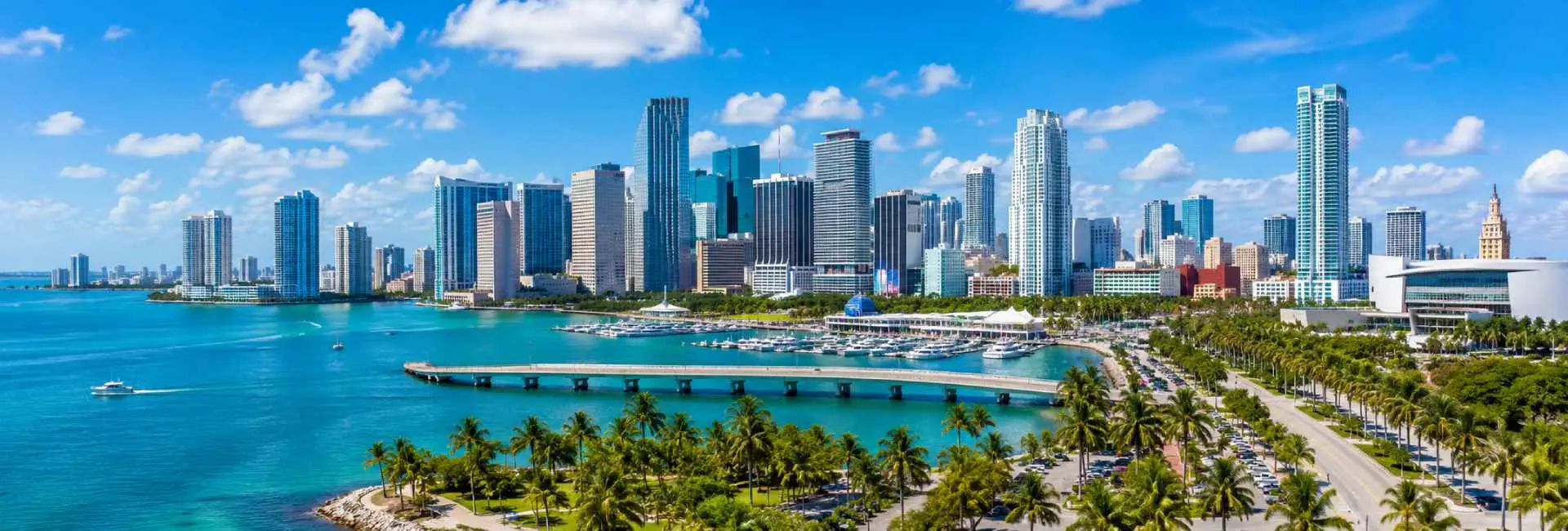
About Miami
Miami sits at the southeastern tip of Florida, closer culturally and geographically to Havana and the Caribbean than to much of the rest of the United States. Its identity is shaped by waves of immigration from Cuba, Colombia, Venezuela, Haiti, and beyond, giving the city a bilingual, Latin American rhythm you can hear on any street corner in Spanish or feel in the food, music, and nightlife.
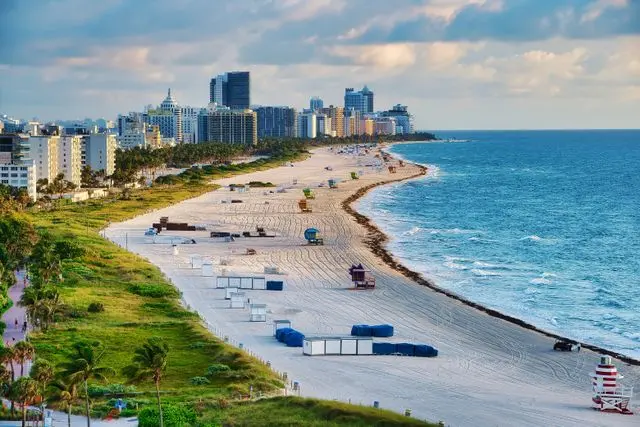
Beyond the postcard image of South Beach's pastel Art Deco hotels, Miami is also a serious business and finance hub, a major cruise port, and a launching point for trips into the Everglades and the Florida Keys. The result is a city that moves between glamour, grit, tropical nature, and neighborhood-level culture within just a few miles.
Best Time to Visit Miami
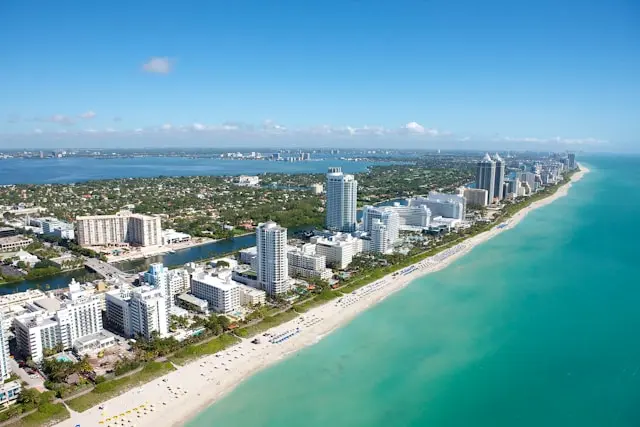
Miami has a tropical climate with two real seasons rather than four, and the timing of a visit changes the experience significantly.
Dry Season (November–April)
This is the most popular time to visit, with warm days, low humidity, and little rain — it's also peak season, so hotel prices and crowds are highest, especially around winter holidays and spring break.
Wet Season (May–October)
Hot, humid, and prone to afternoon thunderstorms, this stretch also overlaps with Atlantic hurricane season, which officially runs June through November. Prices drop significantly, and storms are usually short-lived, but it's worth watching forecasts if traveling in late summer or fall.
Shoulder Months
Late April and early November often strike the best balance of good weather, lower rates, and thinner crowds before or after peak season.
Getting to Miami
By Air
Miami International Airport (MIA) is the main gateway, with extensive domestic and international connections, particularly strong to Latin America and the Caribbean. Fort Lauderdale–Hollywood International Airport (FLL), about 30 minutes north, is a common lower-cost alternative.
By Sea
PortMiami is one of the busiest cruise ports in the world, and many visitors arrive or depart as part of a Caribbean cruise itinerary.
By Car
Interstate 95 runs along Florida's east coast into Miami, making it a natural stop for road trips, and it connects south to US-1, the highway that continues into the Florida Keys. International visitors should confirm current visa or ESTA requirements ahead of travel.
Getting Around Miami
Driving & Ride-Hailing
Miami is spread across a large metro area, and a car or rideshare is the most practical way to move between neighborhoods, especially for reaching the beaches, Everglades, or Keys. Traffic on I-95 and the causeways connecting the mainland to Miami Beach can back up significantly during rush hour.
Metrorail & Metromover
Metrorail connects the airport, Downtown, and parts of the suburbs, while the free Metromover is a useful elevated people-mover for getting around Downtown and Brickell without a car.
Biking & Walking
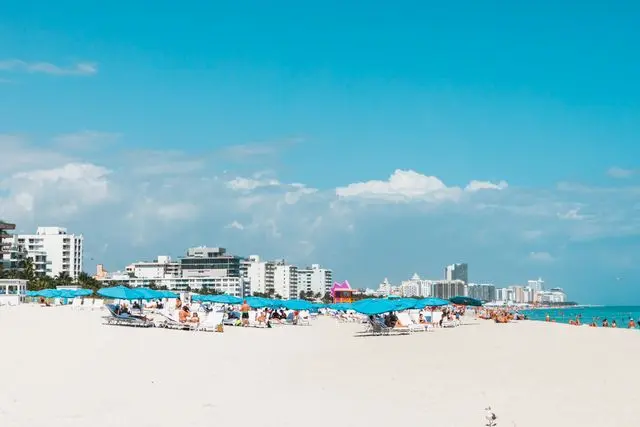
South Beach, Wynwood, and parts of Coconut Grove are walkable, and Citi Bike stations make it easy to explore the flat, beachfront areas of Miami Beach on two wheels.
Things to Do in Miami
Miami's attractions range from historic architecture to nature reserves, often within a short drive of one another.
- Ocean Drive & Art Deco Historic District – A stretch of pastel-colored 1930s hotels along South Beach, best appreciated on foot or via a walking tour.
- Wynwood Walls – An open-air museum of large-scale street art in the Wynwood Arts District, surrounded by galleries, breweries, and cafés.
- Vizcaya Museum and Gardens – An early-20th-century Italian Renaissance-style villa and gardens overlooking Biscayne Bay.
- Pérez Art Museum Miami (PAMM) – A contemporary art museum on the Downtown waterfront with hanging gardens designed by Herzog & de Meuron.
- Little Havana's Calle Ocho – The cultural heart of Miami's Cuban community, known for cigar shops, dominoes at Máximo Gómez Park, and live music.
- Everglades National Park – Accessible on a day trip from the city, offering airboat tours and a close look at Florida's wetland ecosystem and wildlife.
- Bayside Marketplace – A waterfront shopping and entertainment complex in Downtown, also a departure point for boat tours of Biscayne Bay.
Neighborhoods to Explore
Miami's neighborhoods vary widely in pace, culture, and character.
South Beach (SoBe)
The famous stretch of Miami Beach known for Ocean Drive, nightlife, and the beach itself — glamorous, touristy, and the most photographed part of the city.
Downtown & Brickell
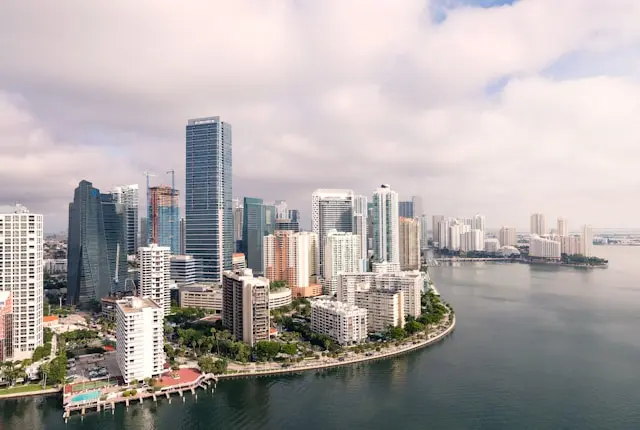
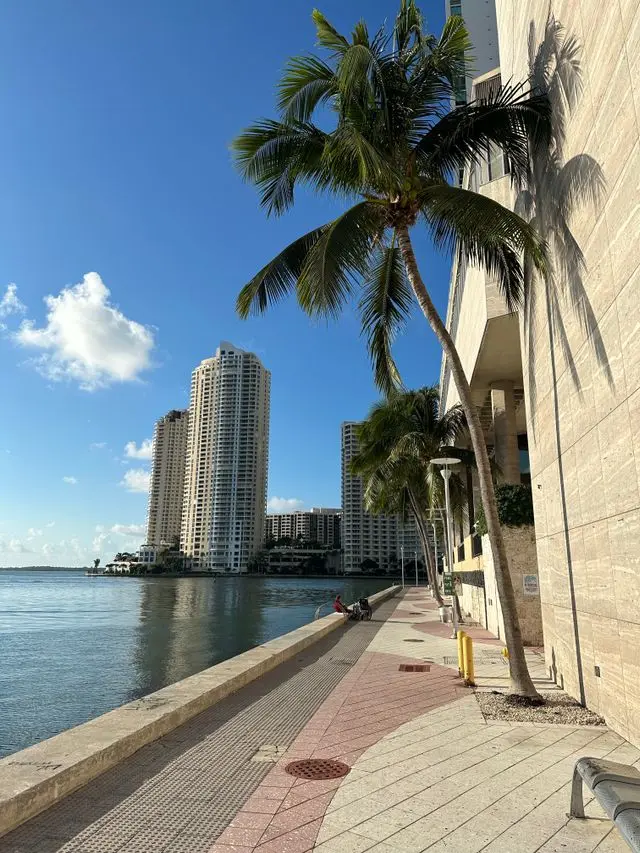
Miami's financial and skyline district, packed with high-rises, upscale dining, and the Metromover for easy car-free movement.
Wynwood
A former warehouse district turned arts hub, filled with murals, breweries, and design studios, popular with a younger crowd.
Little Havana
A historic Cuban-American neighborhood centered on Calle Ocho, known for cafecito windows, cigar rollers, and Cuban restaurants.
Coconut Grove
A leafy, laid-back neighborhood with a bohemian history, sailing culture, and canopy-covered streets, quieter than much of the rest of the city.
Coral Gables
A meticulously planned early-1900s neighborhood known for Mediterranean Revival architecture, the Biltmore Hotel, and the Venetian Pool.
Beaches of Miami
Miami's beaches range from lively and social to quiet and family-friendly.
- South Beach – The most iconic and crowded stretch, backed by Ocean Drive's hotels, bars, and people-watching.
- Mid-Beach & North Beach – Quieter, more residential stretches of Miami Beach with fewer crowds than SoBe.
- Key Biscayne (Crandon Park) – A calmer barrier island beach reached via the Rickenbacker Causeway, popular with families.
- Haulover Beach – Known for its clothing-optional section on the north end and popular with kiteboarders on the south end.
- Virginia Key Beach – A historic beach with walking trails and a more natural, less developed shoreline.
Food in Miami
Miami's food scene is deeply shaped by its Latin American and Caribbean communities, and Cuban food in particular is central to the city's identity. Cafecito (sweet, strong Cuban coffee) is a daily ritual sold from walk-up ventanitas across Little Havana and beyond, and dishes like ropa vieja, croquetas, and the Cuban sandwich are local staples.
Beyond Cuban food, Miami's dining scene spans Peruvian, Venezuelan, Haitian, and Nicaraguan influences, alongside a strong seafood culture built around stone crab, especially in season from October to May. Wynwood and the Design District have become hubs for higher-end and internationally minded restaurants, while Little Havana and Hialeah remain the go-to areas for traditional Latin American cooking.
Where to Stay in Miami
- South Beach – Best for nightlife, beach access, and Art Deco atmosphere, though it's also the most expensive and touristy option.
- Downtown / Brickell – Good for business travelers and those who want skyline views and Metromover access, with a more corporate feel at night.
- Coconut Grove or Coral Gables – Quieter, greener options for travelers who want distance from the beach crowds while still being a short drive from the action.
- Mid-Beach – A calmer, slightly more residential stretch of Miami Beach with easier parking than South Beach proper.
Day Trips from Miami
- Key West – About a three-and-a-half-hour drive down the Overseas Highway through the Florida Keys, ending at the southernmost point in the continental US.
- Everglades National Park – Roughly 45 minutes to an hour from the city, offering airboat rides and wildlife viewing in one of the country's largest wetland ecosystems.
- Fort Lauderdale – About 30 minutes north, known for its canals and a more relaxed beach scene than Miami.
- Biscayne National Park – A largely underwater park south of the city, popular for snorkeling and boat tours among coral reefs and small islands.
Safety Tips in Miami
Miami is generally safe for visitors in the areas most people spend time, though normal city precautions apply.
- Keep valuables out of sight in parked cars, particularly around beach parking areas and Downtown.
- The sun and heat are intense for much of the year — sunscreen, water, and shade breaks matter even on cloudy days.
- Rip currents can occur at ocean beaches; pay attention to posted flag warnings and lifeguard instructions.
- Hurricane season runs June through November — check forecasts if traveling during this window and follow local evacuation guidance if a storm approaches.
- For emergencies, dial 911, the standard emergency number across the United States.
Budget & Costs in Miami
Miami's costs vary by neighborhood and season, with South Beach generally the most expensive area for both lodging and dining.
- Budget travelers can expect to spend roughly $100–150 per day using hostels or budget hotels away from the beach, public transit, and casual Cuban or Latin American food.
- Mid-range travelers should plan for around $250–350 per day for a comfortable hotel, some rideshares, and a mix of casual and sit-down meals.
- Luxury travelers can spend $500 or more per day at beachfront South Beach hotels, private tours, and upscale dining.
- Parking, particularly on Miami Beach, can be a significant added cost — factor it into any daily budget.
Suggested Itineraries
Day 1: South Beach & Art Deco
Spend the morning walking Ocean Drive and the Art Deco Historic District, relax on South Beach in the afternoon, and stay for dinner and nightlife along Lincoln Road.
Day 2: Wynwood & Little Havana
Explore the murals of Wynwood Walls in the morning, then head to Little Havana in the afternoon for Cuban coffee, cigar shops, and dinner along Calle Ocho.
Day 3: Everglades & Key Biscayne
Take a morning airboat tour in the Everglades, then spend the afternoon at Key Biscayne's Crandon Park beach for a quieter contrast to South Beach.
Frequently Asked Questions about Miami
How many days do you need in Miami? +
Three to four days is enough to cover South Beach, a couple of neighborhoods, and one day trip, though adding extra time allows for a Keys excursion as well.
What is the best time of year to visit Miami? +
The dry season from November to April offers the most reliable weather, though it's also the most crowded and expensive; late spring and fall shoulder months offer a good balance.
Is Miami expensive? +
South Beach and beachfront areas run expensive, especially for hotels and parking, but staying slightly inland and eating at casual Latin American spots can keep costs more moderate.
Do you need a visa to visit Miami? +
Requirements depend on nationality; some travelers can enter with an approved ESTA under the visa waiver program, while others need a standard US visitor visa, so it's worth checking current requirements before booking.
Is Miami safe for tourists? +
Most tourist areas are safe with normal precautions, though it's worth being mindful of car break-ins and, during summer and fall, checking for any active tropical storm activity.
Do I need a car in Miami? +
A car or rideshare is very helpful given how spread out the metro area is, though South Beach, Brickell, and Downtown are walkable enough to manage without one for short stays.
What's the best area to stay in Miami? +
South Beach suits travelers who want beach access and nightlife, while Brickell, Coral Gables, or Coconut Grove suit those who prefer a quieter, more residential base.
What day trips pair well with a Miami visit? +
The Everglades and Key West are the two most popular add-ons, with the Everglades reachable in under an hour and Key West requiring a full day for the round trip.
When is hurricane season in Miami? +
Atlantic hurricane season runs from June through November, with peak activity typically in August and September, so it's worth monitoring forecasts if traveling during those months.