
Table of Contents
- About Los Angeles
- Best Time to Visit Los Angeles
- Getting to Los Angeles
- Getting Around Los Angeles
- Things to Do in Los Angeles
- Neighborhoods to Explore
- Beaches of Los Angeles
- Food in Los Angeles
- Where to Stay in Los Angeles
- Day Trips from Los Angeles
- Safety Tips in Los Angeles
- Budget & Costs in Los Angeles
- Suggested Itineraries
About Los Angeles
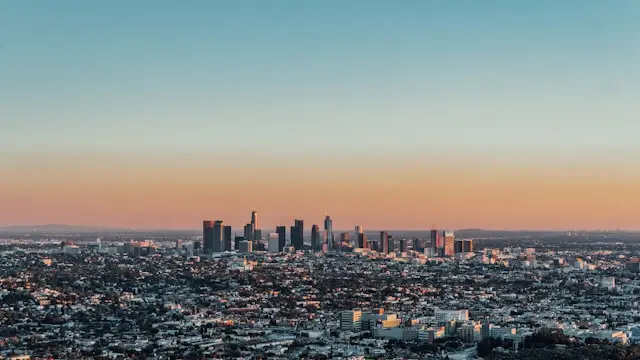
Los Angeles is less a single city than a constellation of them, stretching from the Pacific coastline to the foothills of the San Gabriel Mountains. It's the birthplace of the modern entertainment industry, the home of Hollywood, and a place where the boundary between everyday life and spectacle tends to blur — studio backlots sit a few miles from surf breaks, and taco trucks park outside architecturally significant homes.
What makes LA distinct is its sheer scale and diversity: more than 80 languages are spoken across the metro area, and each neighborhood has its own identity, from the beachy sprawl of Venice to the dense skyline of Downtown. Visitors who come expecting one "Los Angeles" often leave having experienced several very different cities within the same trip.
Best Time to Visit Los Angeles
Los Angeles has a mild, dry Mediterranean climate, so there's no truly bad time to visit weather-wise — but the seasons still shape the experience.
Spring (March–May)
Mild temperatures, blooming jacaranda trees, and thinner crowds make spring one of the most comfortable times to explore outdoor attractions and hike the local trails.
Summer (June–August)
Peak tourist season brings warm, dry days and the best beach weather, though June often starts with overcast mornings locals call "June Gloom." Expect higher hotel prices and heavier traffic near coastal areas.
Fall (September–November)
Many locals consider fall the ideal season: warm, sunny days continue, ocean water is at its warmest, and crowds thin out after Labor Day.
Winter (December–February)
Winter is mild by most standards, with cool evenings and occasional rain, but it's the cheapest time to find hotel deals, and nearby mountains offer snow sports within a couple of hours' drive.
Getting to Los Angeles
By Air
Los Angeles International Airport (LAX) is the primary gateway, served by nearly every major domestic and international carrier. Hollywood Burbank Airport (BUR) and Long Beach Airport (LGB) are smaller, often less congested alternatives that can be more convenient depending on where you're staying, and John Wayne Airport (SNA) in Orange County serves the southern part of the metro area.
By Train
Amtrak trains, including the Pacific Surfliner from San Diego and Santa Barbara, arrive at Union Station in Downtown LA, a historic 1939 terminal that also connects to the city's Metro Rail network.
By Car
LA sits at the junction of several major interstates, including I-5, I-10, and US-101, making it an easy stop for road trips along the West Coast. International visitors should check current entry requirements, such as visa or ESTA authorization, well before travel.
Getting Around Los Angeles
Driving & Ride-Hailing
LA is famously built around the car, and most visitors will find a rental car or frequent rideshare use the most practical way to cover its spread-out attractions. Traffic is heaviest on the freeways during weekday rush hours, so building buffer time into any drive is wise.
Metro Rail & Bus
The LA Metro Rail system, including the B, D, E, and A lines, connects Downtown, Hollywood, Santa Monica, and parts of East LA, and can be a fast way to skip freeway traffic for specific routes. An extensive bus network fills in the gaps, though coverage and frequency vary by area.
Biking & Walking
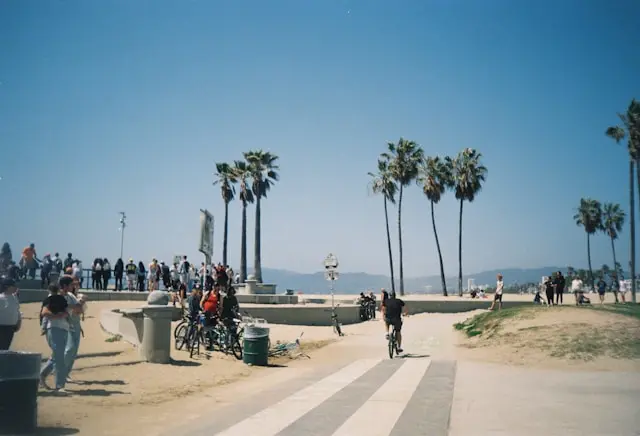
Certain pockets of the city — Santa Monica, Venice, Downtown, and parts of Pasadena — are genuinely walkable or bikeable, with beach bike paths like The Strand offering a car-free way to move along the coast.
Things to Do in Los Angeles
With hundreds of possible stops, most visitors focus on a mix of iconic sights and neighborhood exploration rather than trying to see everything.
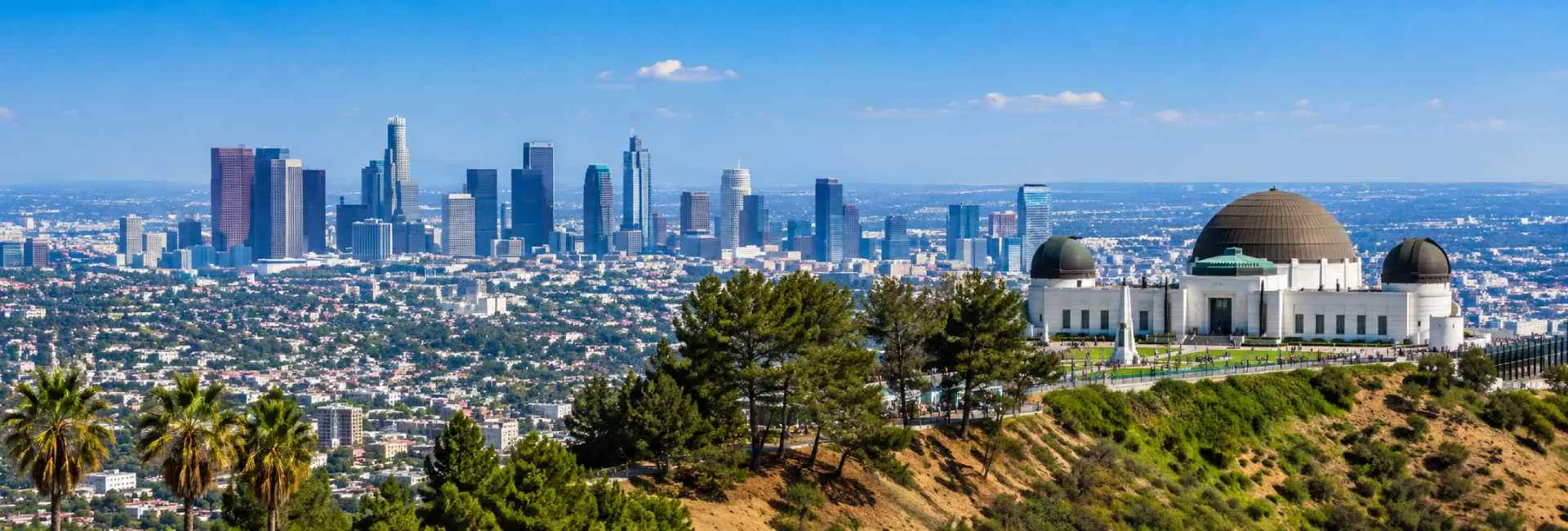
- Griffith Observatory – Free public observatory with panoramic views of the Hollywood Sign and downtown skyline, especially striking at sunset.
- Hollywood Walk of Fame & TCL Chinese Theatre – The classic stretch of Hollywood Boulevard lined with star-embedded sidewalks and historic movie palaces.
- The Getty Center – A hilltop museum and garden complex with free admission (parking fee applies), reachable by tram from the parking structure.
- Los Angeles County Museum of Art (LACMA) – One of the largest art museums in the western US, next to the La Brea Tar Pits.
- Universal Studios Hollywood – Theme park and working studio combining rides, shows, and a behind-the-scenes studio tour.
- Santa Monica Pier – A classic beachfront pier with an amusement park, arcade, and the official end of Route 66.
- The Broad and Walt Disney Concert Hall – Downtown's contemporary art museum and Frank Gehry's stainless-steel concert hall sit almost across the street from one another.
- Venice Boardwalk & Muscle Beach – A carnival-like strip of street performers, vendors, and the original outdoor gym scene.
Neighborhoods to Explore
Los Angeles neighborhoods can feel like separate towns, each with a distinct pace and character.
Hollywood
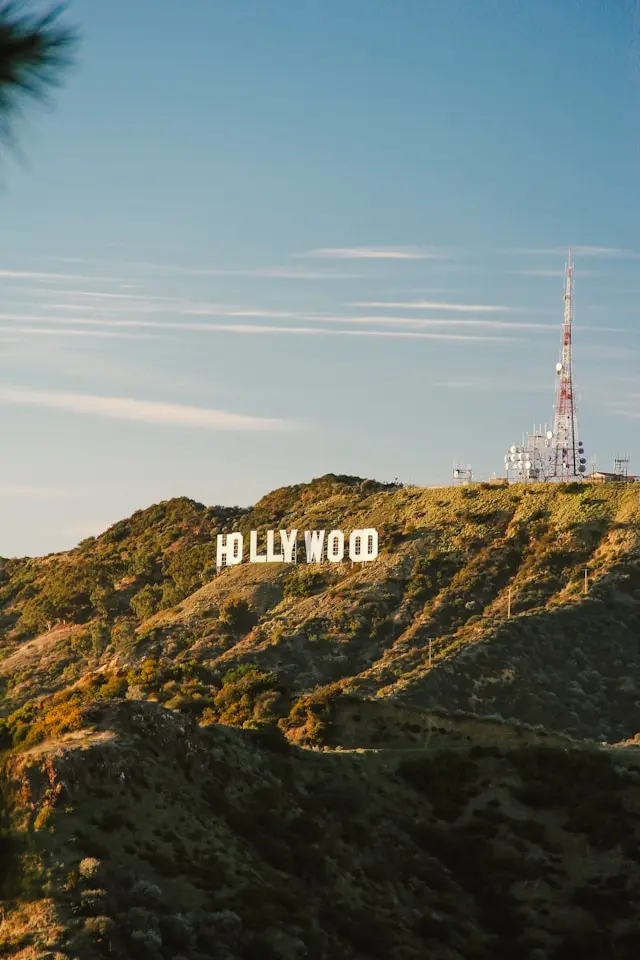
The entertainment industry's namesake district, home to the Walk of Fame, historic theaters, and a busy nightlife strip, though much of the neighborhood is more workaday than its cinematic image suggests.
Downtown LA (DTLA)
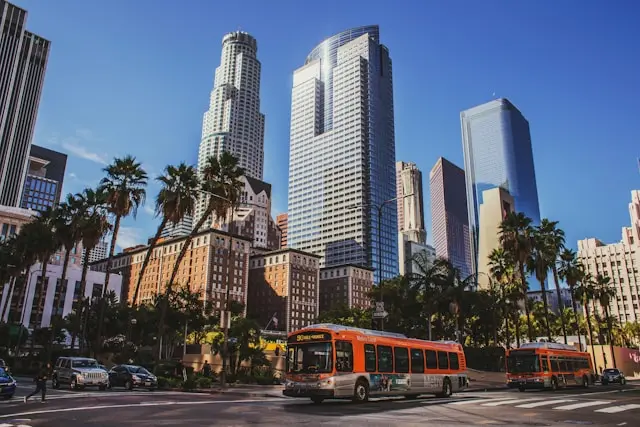
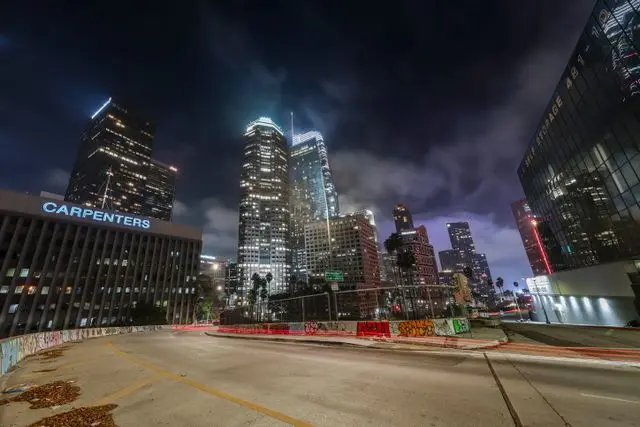
A dense mix of Art Deco skyscrapers, the historic Grand Central Market, the Arts District's converted warehouses, and a growing food and cocktail bar scene.
Santa Monica & Venice
Coastal neighborhoods anchored by the Santa Monica Pier and Venice's canals and boardwalk, popular for beach days, cycling, and people-watching.
Silver Lake & Los Feliz
Hillside neighborhoods known for indie coffee shops, vintage stores, and views over the Silver Lake Reservoir, popular with a younger, creative crowd.
Koreatown
One of the densest and most walkable parts of the city, packed with 24-hour Korean barbecue restaurants, karaoke bars, and Korean spas.
Pasadena
A more low-key city northeast of central LA, known for the Rose Bowl, historic Craftsman architecture, and the Old Pasadena shopping district.
Beaches of Los Angeles
LA's coastline stretches for miles, and each beach town has its own personality.
- Santa Monica State Beach – Wide, easy-access sand next to the pier, good for families and first-time visitors.
- Venice Beach – Livelier and grittier, bordered by the boardwalk's street performers and skate park.
- Malibu (Zuma & El Matador) – Quieter, more scenic beaches backed by dramatic bluffs, roughly 30–45 minutes north of Santa Monica.
- Manhattan Beach – An upscale South Bay beach town with a walkable pier and strong volleyball culture.
- Long Beach – Calmer waters and a more urban waterfront, home to the Aquarium of the Pacific.
Food in Los Angeles
LA's food scene reflects its population — it's one of the best cities in the world for Mexican, Korean, Thai, and countless other regional cuisines, often served from unassuming strip malls and trucks rather than formal restaurants.
Grand Central Market in Downtown gathers dozens of vendors under one historic roof, while Koreatown is the place to go for late-night barbecue. Boyle Heights and East LA are considered some of the most authentic areas for Mexican food, and the city's taco truck culture is worth seeking out on its own. In-N-Out Burger, a regional chain, is a near-mandatory stop for first-time visitors.
Where to Stay in Los Angeles
- Hollywood – Central for sightseeing and nightlife, with a wide range of hotel prices, though some blocks are busier and less polished than others.
- Santa Monica / Venice – Best for visitors who want beach access and a walkable, laid-back base, at a higher average price point.
- Downtown LA – Good for business travelers and those focused on museums, dining, and public transit access via Union Station and Metro Rail.
- West Hollywood – Central location with strong nightlife and dining, popular with visitors who don't plan to spend much time on the beach.
Day Trips from Los Angeles
- Catalina Island – A one-hour ferry from Long Beach or San Pedro to a small Mediterranean-style island town with snorkeling and golf-cart transport.
- Joshua Tree National Park – About a two-and-a-half-hour drive east, known for its otherworldly desert landscape and rock climbing.
- Santa Barbara – A relaxed coastal town roughly two hours northwest, with Spanish colonial architecture and beachfront wine tasting.
- Big Bear Lake – A mountain town about two hours east, offering hiking in summer and skiing in winter.
- San Diego – About two hours south, easily combined with an LA trip for its zoo, beaches, and Balboa Park.
Safety Tips in Los Angeles
Los Angeles is generally safe for visitors who stick to well-traveled tourist areas and use ordinary city awareness, though its size means safety conditions vary block by block.
- Car break-ins are a real risk in many neighborhoods — never leave visible valuables, bags, or electronics in a parked car.
- Some areas of Downtown and Hollywood have visible homelessness; most visitors pass through without incident, but it's worth being alert, especially at night.
- Sun exposure is a genuine concern year-round given the climate — sunscreen and hydration matter even on overcast days.
- Southern California is earthquake country; if a quake occurs, the standard guidance is to drop, cover, and hold on rather than run outside.
- For emergencies, dial 911, the standard emergency number across the United States.
Budget & Costs in Los Angeles
Costs in LA vary enormously by neighborhood and travel style, but a rough daily framework helps with planning.
- Budget travelers can expect to spend roughly $100–150 per day on hostel or budget hotel stays, public transit, and casual food like tacos and food hall meals.
- Mid-range travelers should budget around $250–400 per day for a comfortable hotel, occasional rideshares, and a mix of casual and sit-down dining.
- Luxury travelers can easily spend $500 or more per day at beachfront hotels, private drivers, and higher-end restaurants.
- Parking is a hidden cost across the city — expect to pay for hotel parking, valet, and paid lots near major attractions.
Suggested Itineraries
Day 1: Hollywood & Griffith Park
Start with the Hollywood Walk of Fame and TCL Chinese Theatre, then head up to Griffith Observatory for skyline and Hollywood Sign views, finishing with dinner in nearby Los Feliz.
Day 2: Downtown & Museums
Explore Grand Central Market, The Broad, and Walt Disney Concert Hall in the morning, then spend the afternoon at LACMA or the Getty Center depending on personal taste in art versus architecture and views.
Day 3: The Coast
Spend the day between Santa Monica Pier and Venice Beach, renting bikes to ride The Strand between the two, and stay for sunset over the Pacific.
Frequently Asked Questions about Los Angeles
How many days do you need in Los Angeles? +
Three to five days is enough to cover the major highlights like Hollywood, the coast, and a couple of museums, though LA's size means even longer stays rarely feel like "enough."
What is the best time of year to visit Los Angeles? +
Spring and fall generally offer the most comfortable weather and lighter crowds, while summer is peak season for beach weather and higher prices.
Is Los Angeles expensive? +
It leans expensive compared to many US cities, especially for hotels and parking, though budget-conscious travelers can keep costs down with food halls, public transit, and off-peak travel.
Do you need a visa to visit Los Angeles? +
Requirements depend on nationality; many travelers from visa-waiver countries can enter with an approved ESTA, while others need a standard US visitor visa, so it's worth checking current requirements before booking.
Is Los Angeles safe for tourists? +
Most tourist areas are safe with normal precautions, though car break-ins are common and it's worth staying alert in some parts of Downtown and Hollywood, particularly at night.
Do I need a car in Los Angeles? +
A car or frequent rideshare use is close to essential, since the city is spread out and public transit, while improving, doesn't reach every neighborhood conveniently.
What's the best area to stay in Los Angeles? +
It depends on priorities: Santa Monica or Venice for beach access, Hollywood for central sightseeing, and Downtown for museums, dining, and transit connections.
What are common mistakes first-time visitors make in Los Angeles? +
Underestimating driving distances and traffic is the most common one, along with trying to cram too many neighborhoods into one day rather than picking a focused area per day.
What day trips pair well with a Los Angeles visit? +
Catalina Island, Joshua Tree, and Santa Barbara are all popular add-ons that are reachable within a few hours by car or ferry.